

MINDINAO, PHILIPPINES – Even when there are plenty of terrorist groups to blame the authorship of some attacks is sometimes hard to establish.
In the aftermath of an attack it is customary for a group to claim it. Why? Because the terrorist bunch in question wants to demonstrate that it is capable of pulling off actions and to scare the willies out of the public. After all, why do something and not take credit for it?
What happens, though, when multiple groups are active in a given area? At times, different organisations will issue competing claims, all seeking attention. In the Philippines, for example, there are several jihadi groups all vying for the public’s eye, including the unfortunately named Moro Islamic Liberation Front (or MILF – look it up!).
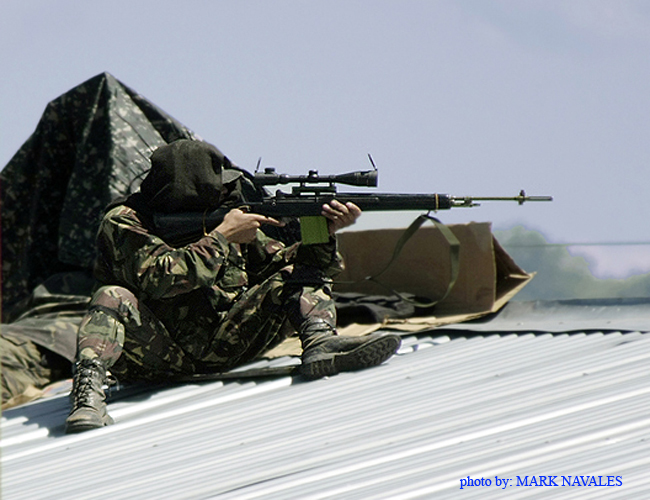
Here is a case in point.
On this day in 2007
Three bombs were detonated within hours of each other in the southern Philippines island of Mindinao, in all killing six people and wounding 27. Here is where it gets interesting.
The first explosion ripped apart a stand selling lottery tickets. While police say that the usual suspects would be Jemaah Islamiyah (JI) and its ally, the local Abu Sayyaf Group (ASG), it was also possible that the blast stemmed from the failure of the kiosk operator to pay winners of a lottery draw. The second bomb was placed near the fence of a police outpost along the national highway (two passersby were wounded) while the third occurred at a dumpsite in Cotabato city (injuring three garbage collectors).
We think it was planted there on purpose, and was mixed with the garbage.
Senior Inspector Samson Obatay
Some believed all three explosions were the hand of JI/ASG. Authorities were also looking at the possible involvement of “saboteurs” to ongoing peace negotiations between the Philippine government and the MILF: a two-day meeting between the two parties had just concluded. Still others believed these were an attempt to disrupt an upcoming ASEAN summit.
No claim, no obvious suspect, no MO. That is the way terrorism goes sometimes.
Read More Today in Terrorism

The Chicken Land murderers and ISIS?
Episode 360 – Sometimes terrorism and criminal violence cross paths When it comes to terrorism you think you know what it is and what it isn’t. Attacks are planned and/or carried out by groups or individuals who see themselves as either part of the group or inspired by it. So what happens when an alleged…

Hey Elon! Musk off!
Season 4 Episode 3 – August Hanning has an interesting post-intelligence retirement plan Former heads of services talking to our enemies, Elon Musk dialing back Internet services to Ukraine…what the hell is going on? These incidents have huge implications for national security. What do three ex-spies think about this? We are sure you are dying…
What is going on in the US intelligence community?
Episode 359 – The Trump administration seems to be undermining expertise If there is one thing I know about ‘expertise’ – a term that is vastly overused IMHO – is that it takes time, a lot of time to acquire. One does not become an ‘expert’ in anything overnight (no matter what Holiday Inn Express…
